Best Shirt Fabric for Men for Every Day
September 05, 2026 · Admin
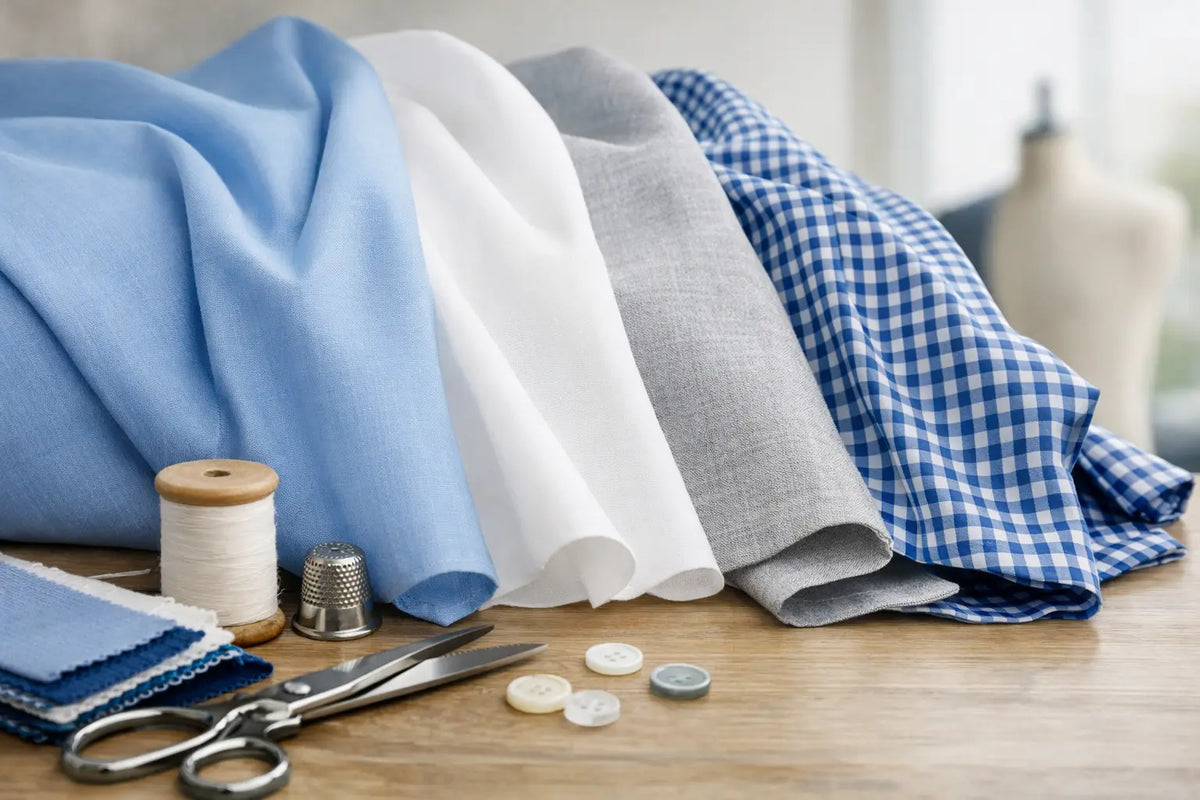
A shirt can look sharp on a hanger and still let you down by noon. It may trap heat, wrinkle before your first meeting ends, pull across the shoulders, or lose its shape after a few washes. Choosing the best shirt fabric for men is not about chasing one universal winner. It is about selecting the right material for the way you work, move, travel, and show up.
Fabric affects more than comfort. It determines how a shirt drapes, how it handles sweat, how much care it requires, and whether it reads polished, relaxed, rugged, or formal. Build your rotation with purpose, and getting dressed becomes easier.
Best Shirt Fabric for Men Starts With the Occasion
A crisp shirt for a client meeting has different demands than one worn under a denim jacket on Saturday. A breathable fabric matters more in July than it does on a cold morning at the jobsite. The best choice depends on climate, activity, desired appearance, and how much maintenance you are willing to accept.
For most men, cotton is the foundation. It is comfortable, versatile, familiar, and available in a wide range of weaves. But cotton is only the beginning. Linen brings airflow. Twill brings substance. Flannel brings warmth. Performance blends bring stretch and easier care. Each earns its place when used with intention.
Cotton: The Essential All-Around Choice
Cotton is the most reliable starting point for a shirt wardrobe. Quality cotton feels soft against the skin, breathes well, and works across professional, casual, and dressier settings. It also takes color cleanly, which is why a well-made cotton shirt can look just as right in classic white or light blue as it does in a stronger seasonal shade.
The key is understanding that not every cotton shirt behaves the same way. The weave changes the weight, texture, structure, and formality of the finished garment.
Poplin for a Clean, Crisp Look
Poplin is a lightweight plain weave with a smooth surface and a refined appearance. It is a strong choice for office shirts, dress shirts, and warm-weather events where you want to look put together without wearing a heavy layer. A white or pale blue poplin button-front is one of the hardest-working pieces a man can own.
The trade-off is wrinkles. Poplin can crease more easily than heavier weaves, particularly after a long commute or day of travel. If you prioritize a sharp, classic look and do not mind steaming or ironing, it delivers.
Oxford for Everyday Structure
Oxford cloth has a slightly textured basket weave that makes it more substantial than poplin without making it stiff. It is the fabric behind the dependable button-down shirt: polished enough for business-casual settings, relaxed enough with dark denim or chinos, and durable enough for regular wear.
An Oxford shirt does not need to look overly pressed to look good. That is part of its appeal. The texture gives it character, and it pairs naturally with everything from a blazer to a work jacket. For the man building a first serious shirt rotation, Oxford belongs near the top of the list.
Twill for Depth and Durability
Cotton twill is recognized by its diagonal weave. It is generally heavier and softer than poplin, with a richer drape and more visual depth. Twill shirts are especially useful in cooler weather, in business-casual environments, and whenever you want a shirt that feels more substantial.
Because it has more body, twill tends to resist wrinkles better than very lightweight cotton fabrics. It may feel too warm in intense heat, but it is an excellent choice for fall, winter, and temperature-controlled offices. Consider it when a thin dress shirt feels too delicate for your day.
Linen Is the Strongest Choice for Heat
When the forecast is unforgiving, linen is hard to beat. Its natural fibers allow air to circulate, helping you stay cooler in humid or high-heat conditions. Linen also has a distinct dry hand and relaxed texture that looks confident rather than overly formal.
A linen shirt earns its place on vacations, at outdoor dinners, summer weddings with a relaxed dress code, and weekends when a T-shirt feels too casual. White, cream, light blue, olive, and soft neutrals all work well because linen already carries visual texture.
Wrinkling is the price of that easygoing character. Linen will crease. That is not a flaw to eliminate completely; it is part of the fabric's honest, lived-in appeal. The goal is to start clean and accept a little natural texture as the day goes on. If you want linen's airflow with a slightly neater finish, a linen-cotton blend is often a smart compromise.
Performance Blends for Men Who Move
Performance shirt fabrics usually combine cotton, polyester, nylon, rayon, elastane, or similar fibers to improve stretch, moisture management, wrinkle resistance, or drying time. They are built for the man whose day does not stay still: commuting, traveling, working outdoors, moving between meetings, or handling a full weekend schedule.
A small amount of stretch fiber can make a real difference through the shoulders, chest, and back. Moisture-wicking blends are also useful when heat and activity are part of the job. For travel, wrinkle-resistant shirts can come out of a carry-on looking more prepared than traditional cotton.
There is a trade-off. Some synthetic-heavy shirts can feel less breathable than natural fibers, especially in high heat, and lower-quality blends may develop shine, odor retention, or a plasticky hand. Look for a fabric that still feels substantial and comfortable, not one that treats performance as an excuse for poor texture. The best performance shirt should look like a real shirt first and work harder second.
Flannel and Brushed Cotton for Cold Weather
Flannel is cotton, wool, or a blend that has been brushed to create a soft, warm surface. In menswear, cotton flannel shirts are a cold-weather staple because they provide insulation without the bulk of a sweater or heavy jacket. They work with jeans, work pants, boots, and layered outerwear, especially in checks, plaids, and grounded solid colors.
A good flannel has enough weight to feel durable but not so much that it becomes restrictive. It should sit comfortably over a T-shirt and under a jacket. Cheap flannel can pill quickly or lose its softness, so fabric density and construction matter.
For workwear, western styling, or rugged casual outfits, brushed cotton and flannel deliver the right balance of function and character. They look better with a little wear, which makes them practical pieces for men who expect their clothes to earn their keep.
Do Not Ignore Fabric Weight and Fit
Fiber content tells only part of the story. Fabric weight changes how a shirt performs. Lightweight fabrics are cooler and easier to layer but may be more transparent or prone to wrinkles. Midweight fabrics offer the most versatility for daily wear. Heavier fabrics give structure, warmth, and durability, though they can feel restrictive in warm conditions.
Fit also changes the fabric experience. A slim-fitting shirt in stiff twill may feel tight through the chest, while the same cut in a stretch blend may move easily. A relaxed linen shirt needs enough room for air circulation. An Oxford shirt should have clean shoulder placement and enough ease to button without pulling.
Do not buy fabric in isolation. Think about the garment as a whole: material, weave, weight, construction, and fit. A shirt that feels right when you first put it on is more likely to become part of your regular rotation.
A Practical Shirt Fabric Rotation
Most men do not need one fabric for every situation. They need a small lineup that covers real life. Start with crisp cotton poplin for dressier settings and one or two Oxford shirts for everyday versatility. Add linen or a linen blend for warm months, twill for cooler professional days, and flannel for weekends and cold-weather layering.
If your work or travel demands more mobility, include a well-made performance blend. If your wardrobe leans western or rugged, prioritize durable cotton, brushed fabrics, and shirts with enough weight to stand up to repeat wear. Quality should feel visible in the hand and reliable after the wash.
The right fabric does not just improve a shirt. It changes how you carry yourself in it. Choose materials that match the demands of your day, care for them properly, and let your wardrobe show the standard you hold yourself to.