How Long Does Cologne Last? Wear It Well
September 02, 2026 · Admin
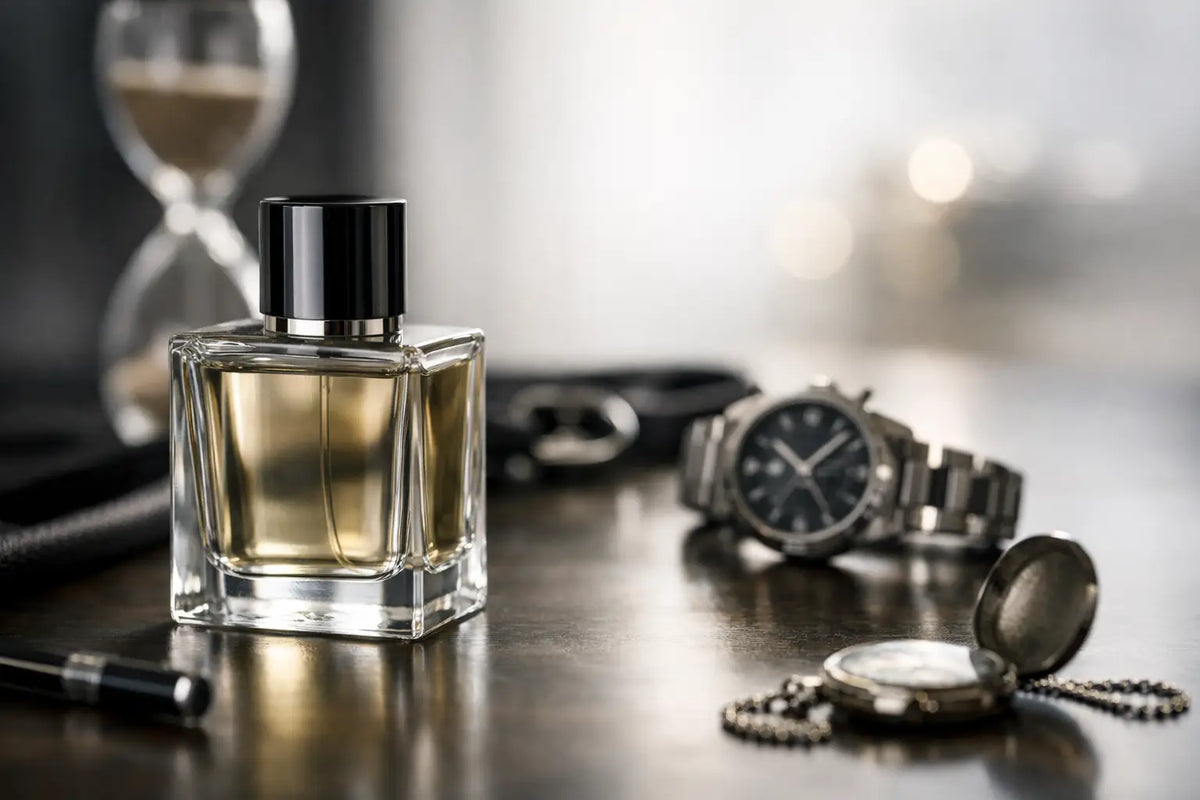
A sharp fragrance should hold its presence without entering the room before you do. So, how long does cologne last? For most men, the realistic answer is four to eight hours. But that range changes dramatically based on the fragrance concentration, your skin, the weather, and how you apply it.
A scent that fades too quickly can make an otherwise polished routine feel unfinished. On the other hand, overapplying creates the wrong kind of impression. The goal is controlled projection: close enough to be noticed, strong enough to last, and never louder than your character.
How Long Does Cologne Last on Skin?
Most cologne lasts between four and eight hours on skin, though lighter formulas may sit closer to two or three hours. Richer concentrations can last well into the evening. The word “cologne” is often used for every men's fragrance, but concentration is what really determines how long a scent stays with you.
An eau de cologne typically contains around 2% to 5% fragrance oil. It is crisp, light, and ideal for a quick refresh, but it may only last two to four hours. Eau de toilette generally contains 5% to 15% fragrance oil and commonly lasts four to six hours. This is a reliable everyday choice for the office, casual dinner, or a regular day on the move.
Eau de parfum contains a higher concentration, often 15% to 20%, and can last six to eight hours or longer. Parfum, sometimes called extrait de parfum, carries the highest concentration and may remain detectable for eight to 12 hours. It also tends to wear closer to the skin, which can make it feel more refined rather than simply stronger.
The label gives you a useful starting point, not a guarantee. Two eau de toilettes can perform very differently. A citrus-forward scent may disappear faster than a warm blend built around woods, amber, leather, vanilla, musk, or spice.
Why Some Cologne Lasts Longer Than Others
Fragrance is not a single note from the first spray to the final trace. It develops in stages. Fresh top notes such as bergamot, grapefruit, lemon, and aquatic accords create an immediate clean impression, but they are naturally volatile. They evaporate quickly.
The middle and base notes do the long work. Lavender, pepper, cardamom, cedar, sandalwood, vetiver, patchouli, amber, tonka bean, and musk often hold on longer because their molecules evaporate more slowly. A fragrance may open bright and energetic, then settle into a warmer, more grounded version of itself after an hour or two.
Your skin plays a role as well. Dry skin absorbs fragrance faster, which can make even a quality scent seem short-lived. Well-moisturized skin gives fragrance oils more to hold onto. Body chemistry matters too. The same bottle can smell cleaner, sweeter, warmer, or more intense from one man to another.
Temperature changes performance. Heat amplifies scent and can make it project farther, but it also burns through fresh notes faster. Cold weather can quiet a fragrance at first, while heavier notes like woods and amber often perform exceptionally well once they warm against the skin. Humidity, sweat, and wind can all shift the way your cologne wears.
How to Make Cologne Last Longer
Lasting power begins before the first spray. Apply fragrance to clean, moisturized skin, ideally after a shower. A fragrance-free lotion is the simplest move because it prevents competing scents while helping the cologne cling to your skin. If you use a scented body wash or deodorant, make sure it does not clash with your fragrance.
Spray the pulse points where body heat helps the scent develop: the sides of the neck, the upper chest, and the inner wrists. Two to four sprays are usually enough, depending on the concentration and setting. For a lighter eau de toilette, three sprays may be appropriate. For a strong eau de parfum, two well-placed sprays can carry the day.
Do not rub your wrists together. It does not “activate” the scent. Rubbing creates friction and heat that can break up the opening notes, causing the fragrance to develop differently and fade sooner. Spray, let it settle, and get dressed.
Clothing can extend wear time because fabric holds fragrance longer than skin. A light spray on a shirt, jacket lining, or scarf can leave a subtle trail for hours. Use caution with delicate fabrics, light colors, silk, leather, and materials that can stain. Fragrance oils and alcohol can leave marks, especially when sprayed too closely.
Storage matters more than most men realize. Keep bottles away from direct sunlight, heat, and humidity. The bathroom counter may be convenient, but regular steam and temperature changes can gradually weaken a scent. A cool, dark drawer or cabinet helps preserve the formula and keeps the fragrance true to its original character.
How Many Sprays Should You Use?
The right number depends on the fragrance and the occasion. A good cologne should be discovered, not announced. For work, close quarters, travel, or a daytime setting, start with two sprays. One on the neck and one on the chest is controlled and professional.
For an evening out, outdoor event, or colder weather, three to four sprays can make sense. The air is less likely to become overwhelming, and stronger base notes have room to perform. If your scent is especially rich, resinous, sweet, or spicy, resist the urge to add more. Strong formulas reward restraint.
A useful test is to apply your normal amount, leave the room for 10 minutes, then return. If the fragrance hangs heavily in the air, you used too much. If it is only noticeable up close, you are in the right range. Your nose also becomes accustomed to your own fragrance quickly, so “I can’t smell it anymore” is not always a reason to reapply.
When to Reapply Cologne
Reapply only when the setting calls for it and the fragrance has truly faded. With an eau de toilette, a single spray to the chest or neck after five or six hours can be reasonable before dinner or an evening plan. Carrying a travel atomizer makes this cleaner than bringing a full bottle.
Avoid stacking fresh sprays on top of a scent that is still projecting. This is where many men go wrong. You may have gone nose-blind, while everyone else can still smell the fragrance clearly. Ask someone you trust if you are unsure, or wait until you are away from the original environment before judging performance.
If a cologne disappears within an hour or two every time, the answer may not be more sprays. Try moisturizing first, applying to the chest under your shirt, or choosing a fragrance with deeper base notes. A scent should match your lifestyle. Fresh citrus works well for a warm Saturday afternoon. A woody amber profile may better suit a long workday, date night, or cold-weather event.
Does Cologne Expire?
Cologne does not expire on a fixed date like food, but it can degrade. Properly stored fragrance often stays in good condition for three to five years after opening, sometimes longer. Citrus-heavy compositions tend to change sooner than darker, woodier scents.
Watch for obvious shifts: a sour or metallic smell, a noticeably darker liquid, cloudiness, or a weak opening that was not there before. These signs do not always mean the bottle is unusable, but they do suggest the fragrance no longer smells as intended.
A well-chosen fragrance is part of how you present yourself, just like a clean shirt that fits right or a jacket built for the occasion. Choose a scent with the endurance your day requires, apply it with restraint, and let the details speak for you.