How to Break In Cowboy Boots: A Men’s Step-by-Step Guide
September 12, 2026 · Isaac Bounds
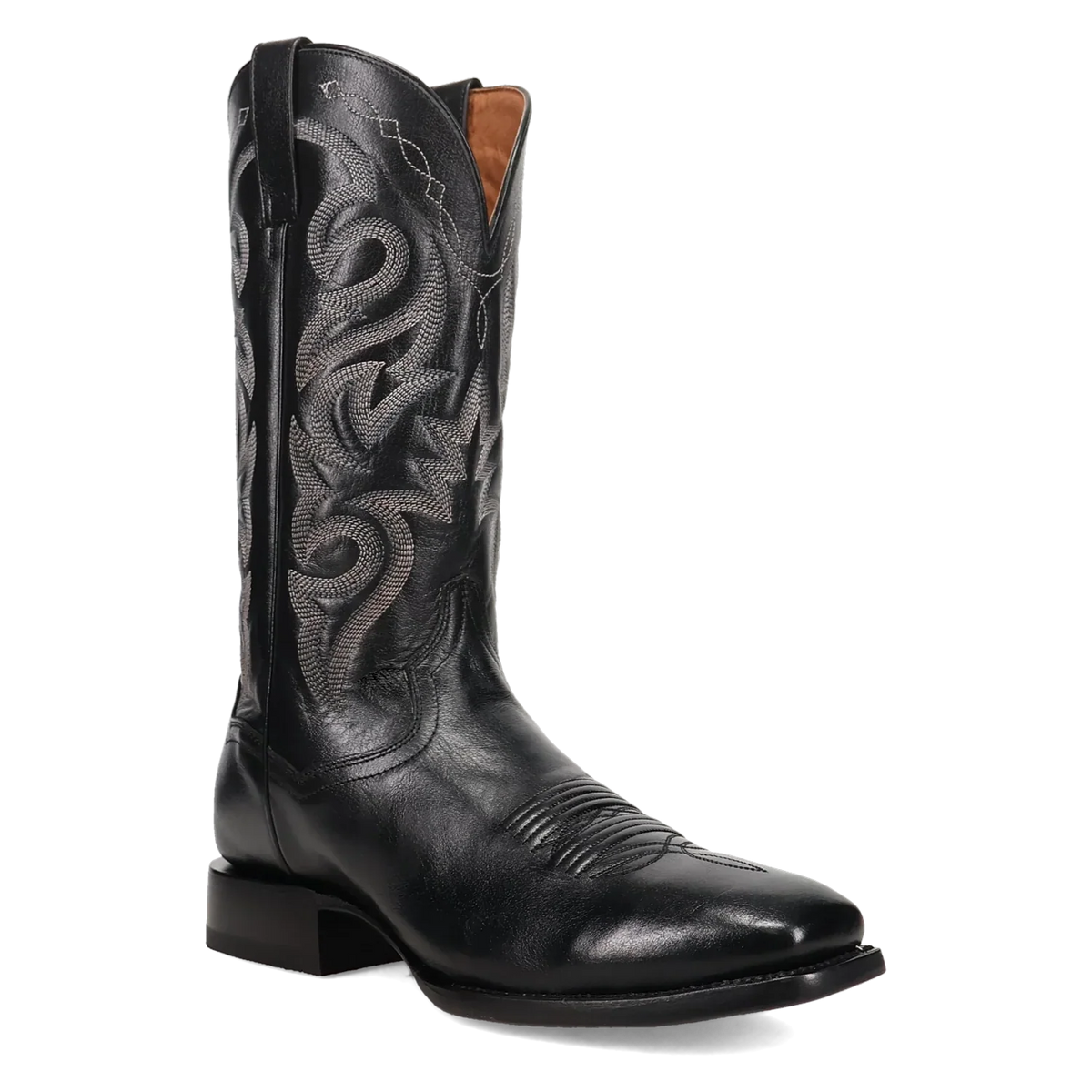
New cowboy boots rarely feel exactly the same on day one as they do after regular wear. The leather, lining, sole and upper need time to move with your foot, but breaking in cowboy boots should refine a correct fit—not rescue a pair that is clearly the wrong size. If you are still deciding what to buy, start with our guide to buying your first pair of cowboy boots. If the boots are already in your closet, this step-by-step guide will help you ease into them without taking shortcuts that can damage the boots or your feet.
How Do You Break In Cowboy Boots?
The simplest approach is gradual wear. Put the boots on with proper socks, wear them for short periods on clean indoor surfaces, and increase the time as the leather begins to flex naturally. Pay attention to where the boots feel firm versus where they feel genuinely painful. A little stiffness is normal in many new boots; crushing pressure, numb toes or severe rubbing is a sign to reassess the fit rather than simply pushing through it.
Before starting, compare what you are feeling with our men’s cowboy boot fit and sizing guide. Getting that distinction right can save a lot of frustration.
Before Breaking Them In, Make Sure the Fit Is Right
Break-in works best when the boot already fits the basic shape of your foot. A cowboy boot should feel secure enough that your foot is not swimming inside it, while still leaving usable room for your toes. Pull-on boots can feel more structured across the instep and shaft than lace-up shoes, and some initial heel movement can settle as the sole and upper flex with wear.
- Instep: Secure and supported is good. Sharp or intense pressure is not something to ignore.
- Toe area: Your toes should have room to sit naturally rather than being forced together.
- Heel: A small amount of movement can occur in a new pull-on boot, but your foot should not feel loose throughout the boot.
- Width: The widest part of your foot should feel supported without being painfully squeezed.
Think of break-in as fine-tuning. Leather can soften and conform, but it does not turn an obviously incorrect size or shape into the right boot.
How to Break In New Cowboy Boots Step by Step
1. Start With Short Indoor Wear
Wear the boots at home first, preferably on a clean surface so they remain return-ready if you quickly discover a fit problem. Start with a short session—roughly 30 to 60 minutes if they remain comfortable—rather than committing to a full workday, concert or night out. Walk normally, sit, stand and move around enough to let the boot begin flexing where your foot naturally bends.
This also gives you a low-risk way to identify pressure points before you are miles from home.
2. Wear Socks Made for Boots
A proper boot sock can make the early break-in period more comfortable by reducing friction and managing the space between your foot and the boot. A slightly thicker sock can be useful when a new leather upper feels firm, but do not stack so much material inside the boot that your toes become cramped or circulation feels restricted.
The goal is not to force the boot wider. It is to give your foot a comfortable layer while the upper gradually begins to conform.
3. Increase Wear Time Gradually
Once the boots feel comfortable during shorter sessions, extend the wear time. A trip to the store, casual dinner or a few hours around town is a better next step than jumping immediately into an all-day event. Gradual use lets you learn how the boots behave as your feet move and naturally change through the day.
If a particular area starts rubbing hard or becomes painful, stop and address the issue instead of treating discomfort as proof that the boots are “working.”
4. Let Normal Walking Create the Flex Points
The boot should learn your stride through normal movement. You do not need to aggressively fold the shaft, twist the sole or bend the boot by hand. Walking naturally develops the flex point in the forefoot and allows the upper to soften around the way you actually move.
That is especially important with Western boots because toe shape and construction vary. If you are deciding between silhouettes, our square toe vs. round toe cowboy boot comparison explains how the shapes differ stylistically and in the way they feel on foot.
5. Pay Attention to Hot Spots Early
A slight firm area can improve as the leather molds to your foot, but repeated friction in the same spot can turn an otherwise manageable break-in into a miserable day. If rubbing starts, take the boots off, let your feet recover and reconsider your sock choice or fit. A boot should become easier to wear as it breaks in—not progressively more punishing.
6. Use Leather Conditioner Only When Appropriate
Conditioner can help maintain compatible leather, but it should not be used as a universal shortcut. Different leathers, finishes and manufacturers have different care requirements. If your boots are leather, use a product intended for that specific material and follow the maker’s care instructions. Apply conservatively; oversaturating leather is not a substitute for gradual wear.
7. Let the Boots Rest and Dry Naturally
After wearing them, give the boots time to air out in a dry, ventilated place away from direct heat. If they become damp from normal wear, allow them to dry naturally before the next long session. Keeping the shape supported while they rest can also help the upper recover between wears.
What Should You Avoid When Breaking In Cowboy Boots?
Internet shortcuts can sound appealing when a new pair feels stiff, but aggressive methods can create more problems than they solve. Unless the boot manufacturer specifically instructs otherwise, avoid:
- Soaking the boots in water to force the leather to stretch.
- Using a hair dryer, heater, oven or other direct heat source.
- Applying household alcohol, solvents or unapproved chemicals.
- Crushing or aggressively bending the boot to create artificial flex points.
- Wearing a painful pair all day in hopes that discomfort will eventually disappear.
Good break-in is boring in the best way: wear, walk, rest, repeat.
How Long Does It Take to Break In Cowboy Boots?
There is no universal break-in clock. Leather type, sole construction, boot shape, how often you wear them and how closely the last matches your foot all affect the process. Some pairs begin feeling natural after several shorter wears; others continue softening over a longer period.
Instead of chasing a specific number of days, watch for practical signs of progress: the forefoot flexes more naturally, the upper feels less rigid, your heel settles more consistently and the same short walk creates less friction than it did at the beginning.
Break-In Problem or Fit Problem?
Knowing when to keep wearing a pair and when to reconsider the size is one of the most useful skills for a new boot owner.
| What you notice | What it may mean |
|---|---|
| General stiffness in the upper | Often a normal break-in issue if the basic fit is comfortable. |
| Minor heel movement in a secure pull-on boot | Can settle as the sole and upper flex with use. |
| Toes feel crushed or cannot sit naturally | Reconsider the size, toe shape or width. |
| Strong pressure across the instep that does not ease during short wear | The boot shape or size may not suit your foot. |
| Your whole foot slides around inside the boot | The pair may be too large or the last may be a poor match. |
| One small firm spot becomes less noticeable with each wear | That can be normal leather break-in. |
If you are unsure, return to the cowboy boot fit guide before trying more aggressive break-in methods.
What Jeans Should You Wear With Broken-In Cowboy Boots?
Once the boots are comfortable, the next challenge is getting the pant break right. Western denim usually looks cleaner when the leg opening has enough room to fall over the boot shaft without catching or creating an awkward bulge. Our guide to how men’s jeans should fit over cowboy boots covers the proportions, while the bootcut vs. straight-leg jeans guide helps you choose a silhouette.
You can also browse the current Veloura men’s jeans collection to build the lower half of the outfit around your boots.
Build the Rest of a Western Outfit
Comfortable boots become much easier to style when the rest of the outfit is simple. Dark or medium-wash jeans, a clean Western shirt and a restrained belt can carry most everyday looks. For color coordination, see what color cowboy boots go with everything. If you are deciding how closely accessories should coordinate, our guide to matching a belt with cowboy boots walks through the options.
For a broader wardrobe, explore Veloura Western Wear and build around pieces you will actually wear beyond a single event.
Shop Men’s Cowboy Boots at Veloura
If you are still comparing pairs rather than breaking in a pair you already own, start with the full Veloura Men’s Boots collection. Current options include the Dan Post Remington men’s leather cowboy boots, the Ariat Men’s Sport Wide Square Toe Western Boot, and the Ariat Men’s Oakwood Western Boot.
The best pair for you is the one that fits correctly before break-in, works with the jeans and outfits you already own, and feels better—not worse—as you put real miles on it.
Frequently Asked Questions About Breaking In Cowboy Boots
Should cowboy boots hurt when they are new?
They can feel firm or stiff, especially through structured leather areas, but significant pain is not a requirement of break-in. If the boots crush your toes, create sharp pressure or feel obviously too small, reconsider the fit rather than assuming wear will solve it.
Can I wear new cowboy boots all day on the first day?
You can if they already feel excellent, but a gradual approach is safer for learning where the boot rubs and how the fit changes through the day. A few shorter wears can make the first full day much more predictable.
Can heat break in cowboy boots faster?
Direct heat is not a good default method. Excessive heat can dry or distort some materials and finishes. Let normal wear do the work unless the manufacturer provides a specific care process for your pair.
Should I soak cowboy boots to stretch them?
Soaking is another shortcut worth avoiding unless the boot maker explicitly recommends it. Water can affect leather, dyes, adhesives and shape. Start with fit, socks and gradual wear instead.
Does leather conditioner help break in cowboy boots?
A compatible conditioner can help maintain certain leathers, but it is primarily a care product rather than a sizing tool. Check the boot’s material and manufacturer instructions first, then use an appropriate conditioner sparingly.
How do I know when cowboy boots are broken in?
The boots should flex more naturally with your stride, feel less rigid around the areas that move, and create less friction during the same activities. They should still feel supportive; “broken in” does not mean loose or collapsed.
The Bottom Line
The best way to break in cowboy boots is gradual, ordinary wear. Confirm the size first, use comfortable boot socks, increase wear time in stages, let the leather flex naturally and avoid high-risk shortcuts such as soaking or direct heat. Once the pair starts moving with you instead of fighting you, finish the look with the right denim and Western pieces.
Ready to compare styles? Shop men’s boots at Veloura or continue through our first cowboy boot buying guide for more help choosing your next pair.