Men's Capsule Wardrobe Essentials That Work
August 24, 2026 · Admin
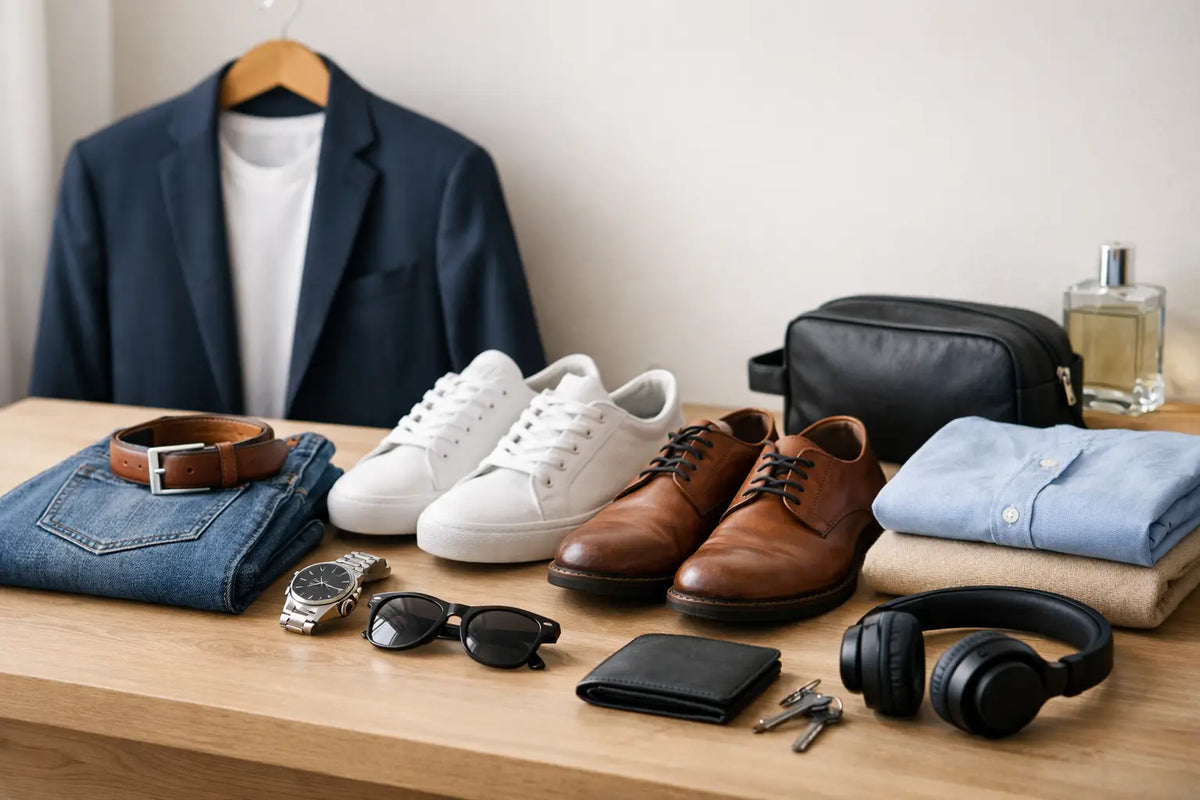
A closet packed with clothes can still leave you with nothing to wear. The answer is not more random purchases. It is a clear system built around men's capsule wardrobe essentials: dependable pieces that fit well, work together, and hold their own through real life.
A strong capsule wardrobe does not mean dressing the same every day. It means removing the weak links: shirts that only work with one pair of pants, jackets that look good but never feel right, and trend pieces that lose their appeal after a season. When every item earns its place, getting dressed becomes faster, sharper, and more intentional.
What Makes a Capsule Wardrobe Worth Building
A capsule wardrobe is a focused collection of clothing built for repeat wear and easy combinations. For most men, the goal is not a rigid number of garments. It is enough range to cover work, weekends, dates, travel, family events, and the occasional formal obligation without starting from scratch each time.
The best capsules are built on three standards: fit, versatility, and durability. Fit comes first because an affordable shirt with clean proportions will look better than an expensive shirt that pulls at the chest or hangs too long at the hem. Versatility means a piece can move between settings. Durability means it still looks composed after regular wear and washing.
Start with colors that support each other. Navy, charcoal, black, white, cream, olive, brown, and medium blue denim create a reliable foundation. You can bring in color through a muted overshirt, a textured knit, or graphic apparel with a point of view. The foundation should simply make pairing easy.
Men's Capsule Wardrobe Essentials to Own First
T-shirts and polos for the base layer
Every wardrobe needs high-quality short-sleeve foundations. Begin with a fitted but not tight crewneck T-shirt in white, black, navy, and a neutral such as heather gray, stone, or olive. The right tee should sit close to the body without clinging, with sleeves that land around mid-bicep and a hem that does not extend too far below the zipper line.
A polo adds more structure without becoming overly formal. It is a smart choice for warm offices, casual dinners, golf outings, and situations where a T-shirt feels too relaxed. Choose solid colors first. Texture is welcome, but loud contrast trims and oversized logos reduce how often you will reach for it.
Button-front shirts that earn repeat wear
A white or light blue button-front shirt is one of the highest-return purchases a man can make. It works under a suit, with dark denim, under a jacket, or with chinos for a clean business-casual uniform. An Oxford cloth button-down has more texture and a more relaxed presence, while a smooth poplin or stretch shirt reads slightly sharper.
Add one darker button-front option in navy, charcoal, black, or a subtle pattern. This gives you a dependable evening shirt without relying on a novelty print. If your work involves physical labor or western settings, a durable western work shirt can take the place of a standard casual button-down. Look for functional details, strong seams, and sizing that lets you move freely through the shoulders.
Denim and trousers with a clear purpose
Two pairs of jeans handle most casual wardrobes: one dark indigo pair with minimal fading and one medium or black wash for variety. Dark denim is especially useful because it can look composed with a T-shirt and jacket or relaxed with a hoodie and clean sneakers. Avoid excessive distressing if you want your jeans to move between more settings.
Then add chinos or tailored five-pocket pants in khaki, olive, navy, or charcoal. They provide the middle ground between denim and dress trousers. For men who spend long days on the job, a rugged work pant in a neutral color can be just as central, provided the fit is clean and the fabric is appropriate for the work itself.
The decision between slim, straight, and athletic fits depends on your build. Slim should follow the leg without restricting movement. Straight fit offers more room and often looks better on men with larger thighs or a more traditional workwear preference. The right fit is the one that keeps its shape without forcing you to think about it.
Layers that give an outfit authority
A versatile hoodie in black, charcoal, navy, or washed gray brings comfort to off-duty days. Choose one with substantial fabric, a structured hood, and a clean finish. A thin, sagging hoodie looks like an afterthought. A well-made one works under a jacket and holds its own with denim.
For outerwear, start with a jacket that can work across three seasons. A dark bomber, trucker jacket, chore coat, or overshirt jacket is a practical first move. Each brings a different attitude: bombers lean refined and modern, trucker jackets feel classic, and chore coats suit men who prefer a rugged, functional look.
Your climate should guide the final choice. A lightweight layer makes sense in much of the South and West. In colder regions, add a wool-blend coat, insulated jacket, or lined work jacket that can handle the commute without sacrificing a clean silhouette.
One suit for when standards rise
A capsule wardrobe needs one suit, even if you rarely wear one. Weddings, interviews, formal dinners, memorials, and important meetings do not always give advance notice. A navy suit is the most flexible choice for most men. Charcoal is equally strong, especially in more conservative professional environments.
Keep the cut classic rather than extreme. A two-button jacket with moderate lapels, trousers that break lightly at the shoe, and enough room to sit comfortably will serve you longer than a sharply trend-driven fit. Pair it with the white or light blue shirt already in your closet. That is the strength of a system.
Build Around Fit, Not Just Size
The size on the label is a starting point, not the verdict. Shoulders should end near your natural shoulder point. Shirt collars should close comfortably with room for a finger. Jeans should sit securely without a belt doing all the work. Jacket sleeves should reveal a little shirt cuff when your arms rest at your sides.
Men who are tall, broad, athletic, or work with their hands often have a harder time finding consistent proportions. Prioritize brands that provide clear measurements, extended sizing, and fit descriptions. A tall size is not just extra length in the body. When properly designed, it accounts for sleeve length and overall balance too.
Do not buy an item because you expect to change into it later. Buy for the man you are right now. Tailoring can refine sleeve length, hems, and waist suppression, but it cannot rescue a garment that is fundamentally wrong through the shoulders or chest.
Use Fabric to Match Your Routine
Fabric decides whether a garment earns real rotation. Cotton jersey works for everyday tees. Oxford cloth offers durable texture in button-down shirts. Denim brings structure and improves with wear. Stretch blends can be valuable for travel, active commutes, and long workdays, but too much synthetic content may affect breathability and the way a garment ages.
For demanding jobs, function matters as much as appearance. Flame-resistant work shirts, for example, should be selected for their certified protection, job requirements, and proper fit before style enters the decision. There is no need to separate personal standards from practical needs. The right workwear can be safe, durable, and put together.
Read care instructions before you commit. A garment that requires dry cleaning every time may be worth it for a suit or special jacket, but it is rarely ideal for a weekly staple. The core of your wardrobe should be easy to maintain.
Add Personality Without Breaking the System
A capsule wardrobe should look like you, not a generic display rack. Once the foundation is set, add two or three pieces that carry personality: a graphic tee with restraint, a textured overshirt, a western snap shirt, a patterned camp collar shirt, or a jacket in a deeper seasonal color.
Fragrance belongs in this same conversation. Clothing creates the visual first impression; scent finishes it at closer range. Keep one versatile everyday fragrance and one deeper option for evenings or cooler weather. Apply with discipline. A few sprays should invite attention, not announce your arrival from across the room.
Build the Wardrobe in Stages
You do not need to replace everything in a weekend. Start by assessing what already performs well. Keep the pieces that fit, suit your current life, and pair with multiple items. Then replace the gaps in order: everyday shirts, reliable pants, layering pieces, outerwear, and formal clothing.
A practical first-month approach is to buy one excellent T-shirt, one button-front shirt, one pair of dark jeans, and one versatile jacket. Wear them repeatedly with what you already own. You will quickly learn what needs attention next, whether that is better trousers, a sharper hoodie, or a suit that is ready when the moment calls for it.
Your wardrobe should make discipline visible, not create another decision to manage. Choose pieces that respect your time, fit your life, and make you stand taller when you walk out the door.