Stockman Heel vs. Cowboy Heel: Which Is Better for Men’s Western Boots?
September 22, 2026 · Isaac Bounds
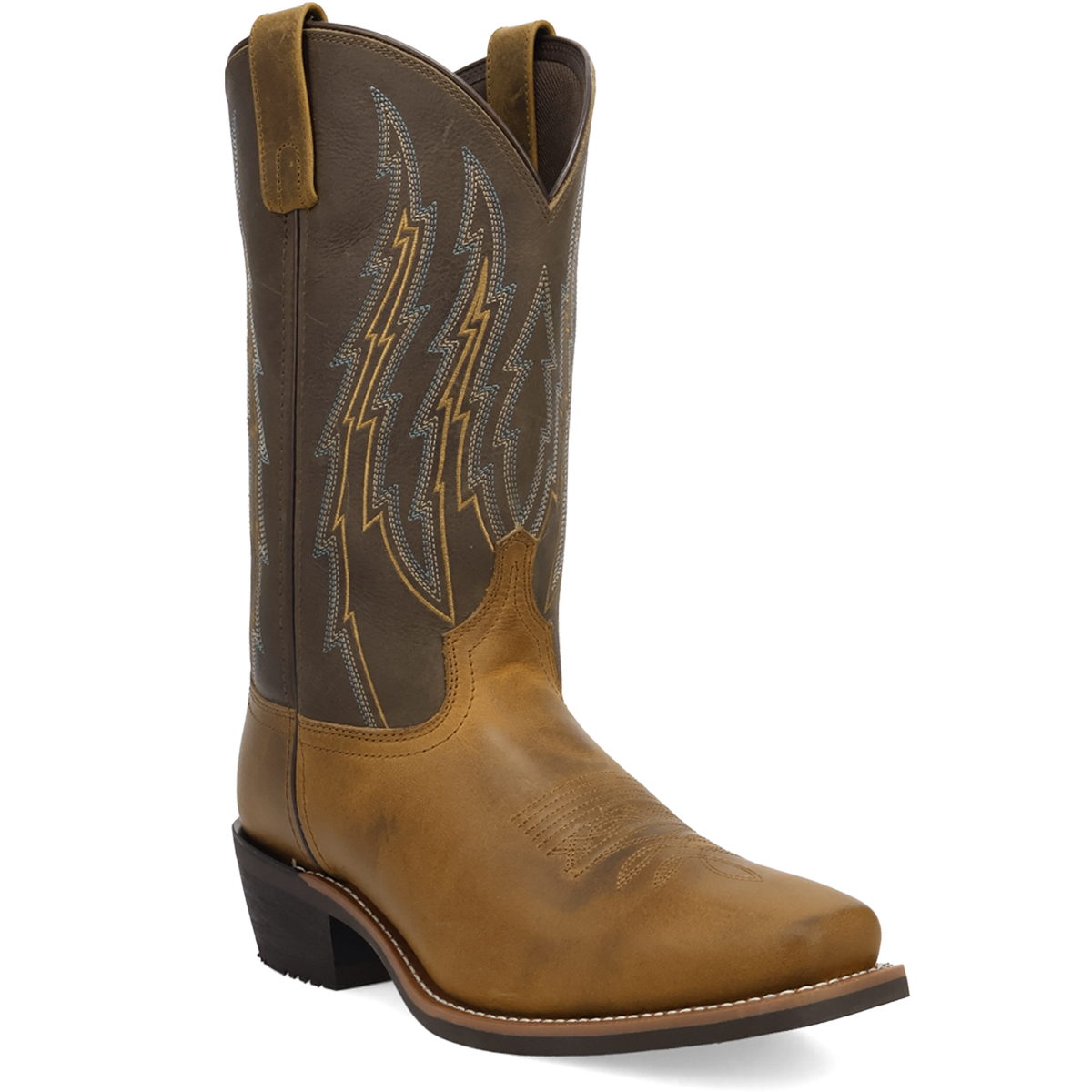
If you are comparing stockman heel vs. cowboy heel boots, the best choice usually comes down to how you expect to wear them. A stockman heel generally gives you a lower, broader, more grounded feel for walking and long days on your feet. A traditional cowboy heel usually creates a more pronounced Western profile and can make sense when you want a stronger riding-inspired look. Neither is automatically “better.” The right heel is the one that matches your comfort priorities, the boot’s overall construction, and the way you dress.
Heel terminology is not perfectly standardized across every bootmaker, so shoppers should compare the actual shape and listed measurements instead of relying on the name alone. This guide explains the practical differences, shows two live examples from Veloura Menswear, and connects heel choice to toe shape, outsole, denim, belts, and everyday Texas style.
Stockman Heel vs. Cowboy Heel: The Quick Answer
For many men buying a versatile everyday Western boot, a stockman heel is the easier starting point because its lower, wider shape tends to feel stable and familiar while walking. A cowboy heel is the stronger pick when you prefer a more traditional Western silhouette, a slightly more elevated stance, or a boot built around a classic cowboy profile.
| Feature | Stockman Heel | Cowboy Heel |
|---|---|---|
| General shape | Lower and broader | More elevated and visibly angled or tapered |
| Walking feel | Usually stable and easygoing | More pronounced underfoot |
| Visual effect | Understated Western | Traditional cowboy profile |
| Best starting point for | Workdays, casual wear, long periods on your feet | Classic Western outfits, riding-inspired style, dressier cowboy looks |
| What to verify | Actual heel height, width, outsole, toe shape, insole and fit on the specific boot | |
If you are still choosing your first Western boot, start with Veloura’s beginner guide to buying your first pair of cowboy boots. Heel type matters, but it is only one part of the decision.
What Is a Stockman Heel?
A stockman heel is commonly designed with a relatively low height and a broad base. That shape spreads the contact area under the rear of the boot and gives the boot a planted appearance. It is popular on Western boots meant to cross over between ranch-inspired styling, work, walking, and everyday casual wear.
The biggest advantage is versatility. A lower, broader heel is less visually dramatic than many traditional cowboy heels, so it can pair easily with bootcut jeans, straight-leg Western denim, work shirts, pearl snaps, jackets, and casual outerwear. It can still look unmistakably Western without making the heel the focal point of the outfit.
A good live example is the Dan Post Remington Men’s Leather Cowboy Boots. Veloura’s current product listing identifies a 1-inch stockman heel and a removable Soft Strike Orthotic, giving shoppers a concrete example of the lower stockman direction.

What Is a Cowboy Heel?
“Cowboy heel” generally describes a more traditional Western heel shape with a stronger lift and a more noticeable profile than a low stockman heel. Depending on the maker, the heel may appear more angled, tapered, or underslung. That geometry contributes to the classic cowboy-boot stance many shoppers picture when they think of traditional Western footwear.
One live Veloura example is the Laredo Cody Men’s Leather Cowboy Boots. The current listing specifies a 1 3/8-inch cowboy heel, square toe, removable orthotic and Redline rubber outsole. It is useful here because the product shows how a cowboy heel can be paired with modern comfort features and a practical rubber outsole rather than being limited to a dress-only boot.

That distinction matters because heel style does not tell you everything about comfort or traction. Veloura’s guide to leather sole vs. rubber sole cowboy boots explains why outsole material should be evaluated separately from heel shape.
Which Heel Is Better for Walking All Day?
If walking and standing are the priority, many men will find a lower, broader stockman-style heel easier to live with. The reason is simple: the stance is less aggressive and the wider heel base can feel stable during normal walking. That does not mean every stockman boot will be more comfortable than every cowboy-heel boot. Cushioning, arch support, boot weight, outsole flexibility, toe room and overall fit can easily matter just as much.
Before choosing either style, make sure the boot fits correctly through the heel, instep and ball of the foot. Veloura’s cowboy boot fit and sizing guide covers the fit signals worth checking before deciding whether a boot is comfortable enough for long wear.
Also remember that a new leather boot can feel firmer before it molds to your foot. If the fit is correct but the leather is simply new, use a gradual break-in process rather than trying to force it in one long day. See how to break in cowboy boots for the safer approach.
Which Heel Is Better for Riding?
A defined heel is one of the traditional functional elements of Western riding boots because it can help keep the foot from sliding too far through a stirrup. A more pronounced cowboy heel fits naturally into that traditional design language. However, riding suitability should never be judged from the heel name alone. Heel dimensions, sole construction, toe shape, shaft, fit, stirrup setup and the type of riding all matter.
For that reason, treat “cowboy heel” as one design clue rather than a blanket safety rating. If a boot is being purchased specifically for riding, evaluate the complete boot and follow the guidance appropriate to the riding activity.
Does Heel Type Change How Cowboy Boots Look?
Yes. Heel shape changes the visual balance of a boot more than many first-time buyers expect. A lower stockman heel tends to make the boot look grounded, practical and slightly more understated. A taller or more angled cowboy heel increases the sense of lift and emphasizes the traditional Western silhouette.
That makes heel type part of an outfit decision, not just a comfort decision. If you lean toward clean everyday Texas style, a stockman heel can disappear naturally under denim. If you want the boot itself to carry more of the Western identity, a cowboy heel can add that shape even when the rest of the outfit is simple.
For a broader wardrobe perspective, see Modern Texas Men’s Style: What to Wear From Workday to Weekend. It shows how boots work alongside denim, shirts and layers instead of functioning as a standalone costume piece.
Stockman Heel vs. Cowboy Heel With Jeans
Both heel types work with jeans. The bigger denim issue is whether the leg opening falls cleanly over the boot shaft and vamp. A bootcut or Western-friendly straight leg usually gives the boot enough room without catching high on the shaft. Veloura’s guide to how men’s jeans should fit over cowboy boots explains the break, opening and stacking details.
If you are deciding between denim silhouettes, compare bootcut vs. straight-leg jeans for men. Then browse the current Men’s Jeans collection to see available cuts.
A stockman heel can work especially well with relaxed everyday denim because the overall look stays balanced and practical. A cowboy heel can sharpen the profile under a clean bootcut jean and add a more traditional Western line. Neither requires excessive stacking; the goal is a controlled drape rather than fabric swallowing the boot.
What About Toe Shape?
Heel shape and toe shape are separate decisions. You can find lower heels with broad square toes, traditional heels with square toes, and many other combinations. Do not assume choosing a stockman heel automatically means choosing a round toe—or that a cowboy heel automatically means a pointed toe.
If toe shape is still undecided, Veloura’s square toe vs. round toe cowboy boot comparison handles that question directly. Keeping these choices separate prevents one keyword or product feature from doing too much work in your buying decision.
Which Heel Works Better for Work?
For general walking-heavy or standing-heavy use, the stockman direction is often appealing because it is lower and broad. But job requirements come first. A casual Western boot is not automatically a work boot, and a Western-looking boot is not automatically protective footwear.
If your workplace requires safety toe protection, electrical-hazard ratings, slip resistance or another standard, shop according to the required specification rather than heel style. Veloura’s steel toe vs. regular cowboy boot guide is a better starting point for that decision.
For off-duty wear after work, either heel can fit naturally into a modern Western wardrobe. The current Boots collection gives you a place to compare the whole boot—heel, toe, outsole, shaft and comfort features—rather than buying by one spec.
Which Heel Is Better for a Dressier Western Outfit?
A cowboy heel often reads as more traditionally Western because the heel creates a stronger silhouette, but a clean stockman-heel boot can still dress up well. Condition, leather finish, color, toe shape and the rest of the outfit may matter more than the heel label.
For a date-night outfit, keep the denim clean, avoid an overly bulky stack, and use a fitted pearl snap or simple button-front shirt. Veloura’s Western Date Night Outfit for Men gives a complete formula. A coordinated belt also matters; see whether your belt should match your cowboy boots for an easy way to keep the outfit intentional.
If the temperature calls for another layer, a waxed-canvas or denim-friendly jacket can add texture without making the outfit feel overdone. Today’s Stetson Green Waxed Canvas style edit is one example of a layer designed to sit naturally over Western denim. You can also browse Men’s Jackets for other outerwear options.
How to Choose Between a Stockman Heel and Cowboy Heel
Use this simple order of priorities:
- Start with use. Decide whether the boot is mainly for walking, work-adjacent casual wear, riding, going out, or a mix.
- Check the actual dimensions. Heel names vary. Read the listed heel height and look at the side profile.
- Evaluate the whole sole. Heel shape does not replace traction, flexibility or outsole material.
- Confirm fit. A well-chosen heel cannot rescue a boot that is wrong through the instep, heel or forefoot.
- Match your denim. Make sure your jeans clear the shaft cleanly.
- Choose the silhouette you like. Stockman is usually subtler; cowboy heel usually emphasizes the classic Western line.
If you are building a broader Western wardrobe at the same time, the Western Gear collection provides another crawl path into accessories and complementary pieces.
Live Veloura Examples: Stockman vs. Cowboy Heel
Dan Post Remington: Stockman Heel Example
The Dan Post Remington is the straightforward stockman example in this comparison. Veloura currently lists it with a 1-inch stockman heel, leather construction, removable Soft Strike Orthotic and a Cowboy Certified TPU/leather outsole. For a shopper who wants a lower-profile heel without abandoning a classic Western boot, it is a useful reference point.
Laredo Cody: Cowboy Heel Example
The Laredo Cody shows the cowboy-heel side. Veloura currently lists a 1 3/8-inch cowboy heel, square toe, removable orthotic and oil- and heat-resistant Redline rubber outsole. It carries a more explicit cowboy profile while still being built around everyday comfort and durability features.
These two products also show why heel terminology should not be treated as the only buying criterion. Their outsoles, toe shapes, insoles and overall geometry differ. Compare the complete specifications before choosing.
FAQ: Stockman Heel vs. Cowboy Heel
Is a stockman heel the same as a roper heel?
Not necessarily. Both are commonly associated with lower, practical Western-boot profiles, but manufacturers can use heel terms differently. Compare the actual heel shape and dimensions on the specific product instead of assuming two labels mean the same construction.
Are cowboy heels uncomfortable for walking?
Not automatically. A well-fitted cowboy-heel boot with good support can be comfortable, but the more pronounced heel changes your stance and may feel different from a lower stockman heel. Comfort also depends on insole, arch support, outsole flexibility, boot weight and fit.
Which heel is better for a first pair of cowboy boots?
For a first pair intended mostly for everyday walking and casual outfits, a lower stockman-style heel is an easy, versatile choice. If the traditional cowboy silhouette is the main reason you want the boots, choosing a cowboy heel may make more sense. Fit and intended use should decide it.
Does a stockman heel still look Western?
Yes. Western identity comes from the entire boot—shaft, stitching, toe, leather, welt, outsole and overall proportions—not from heel height alone. A stockman heel can look fully Western while staying understated.
Should I choose heel type before boot color?
Choose use and fit first, then refine silhouette and color. If color is your next decision, Veloura’s brown vs. black cowboy boots for men comparison explains which option is easier to build outfits around.
The Bottom Line
In the stockman heel vs. cowboy heel decision, stockman usually wins for shoppers who want a lower, broader, everyday-friendly feel, while cowboy heel wins for men who want a stronger traditional Western profile. But the smartest purchase is made by comparing the whole boot—not just the heel name.
Check the listed heel measurements, outsole, toe shape, fit and intended use. Then choose the silhouette that works with the jeans and outfits you actually wear. Explore Veloura Men’s Boots to compare current options and build the rest of the look through Veloura’s interconnected Western style guides.