Leather Sole vs. Rubber Sole Cowboy Boots: Which Should Men Buy?
September 21, 2026 · Isaac Bounds
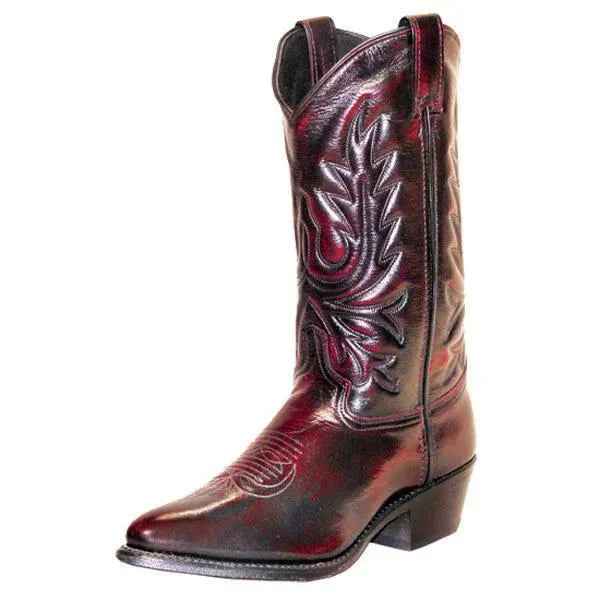
When you are comparing cowboy boots, the outsole can change how the boot feels almost as much as the toe shape or heel. A leather sole cowboy boot usually gives you a more traditional Western feel, a smoother step and easier pivoting on dry indoor surfaces. A rubber sole cowboy boot usually makes more sense when traction, wet pavement, long days on hard surfaces or practical everyday use matter more.
Neither material is automatically better. The smarter choice depends on where you will wear the boots, how much grip you want, whether you spend time on concrete or rough ground, and whether the pair is meant for work, dancing, dressier outfits or everyday Texas style.
This guide compares leather sole vs. rubber sole cowboy boots for men and connects that choice to fit, jeans, workwear and two current boots in the Veloura Menswear catalog.
Leather Sole vs. Rubber Sole Cowboy Boots: Quick Answer
| Factor | Leather Sole | Rubber Sole |
|---|---|---|
| Traditional Western feel | Strong | Varies by design |
| Grip on wet or variable surfaces | Usually lower | Usually better, depending on tread |
| Dance-floor pivot and glide | Usually easier | Can feel grippier |
| Hard-surface practicality | Depends on construction and wear | Often a practical choice |
| Dressier appearance | Often more traditional and refined | Can look more work-focused |
| Wet-weather use | Needs more care | Often more forgiving |
| Work use | Depends on job and surface | Often favored for traction and durability |
| Resoling | Depends on boot construction | Depends on boot construction |
If this is your first Western boot purchase, start with the broader guide to buying your first pair of cowboy boots. Once the basic fit, toe shape and color are narrowed down, outsole material becomes a much easier decision.
What Does the Outsole Actually Change?
The outsole is the bottom layer of the boot that contacts the ground. It affects traction, abrasion resistance, how smoothly the boot moves across a surface and part of the overall feel underfoot. But it is only one part of the boot.
Comfort also depends on the insole, midsole, heel construction, arch support, last, width, leather and how well the boot fits your foot. That is why two boots with the same outsole material can still feel very different.
Before choosing a sole based only on a product photo, check the complete specification list. If you are still working out sizing, use How Should Cowboy Boots Fit? and Veloura's Size Guide as part of the buying process.
Leather Sole Cowboy Boots: Where They Make Sense
Leather outsoles are closely associated with traditional cowboy-boot construction. They can give the boot a clean profile and a smooth feel underfoot, especially on dry indoor floors. That smoothness is one reason many men like leather soles for dressier Western outfits, social events and dancing.
A leather outsole can also develop character as it wears. The surface scuffs, flexes and changes with use rather than remaining visually identical to the day it left the box.
Reasons to choose a leather sole
- You want a traditional Western feel. Leather soles fit naturally with classic cowboy-boot construction and dressier leather uppers.
- You spend more time on dry indoor surfaces. Restaurants, dance halls and indoor events are different environments from wet parking lots or rough jobsites.
- You like an easier pivot. A smooth leather outsole typically offers less grab than a heavily treaded rubber sole, which can feel better for turns and dancing.
- You want a cleaner dress-casual boot. Leather soles often pair naturally with dark denim, a pearl snap or a simple button-down.
That makes leather a logical option for a boot that will spend more time at dinners, weddings, country bars or weekend events than on a wet worksite. If you are building the rest of the outfit, see what to wear to a country bar for men or what shirt to wear with cowboy boots.
What Are the Tradeoffs of a Leather Sole?
The biggest tradeoff is traction. A smooth leather outsole can feel slick when it is new, especially on polished floors, wet pavement or other low-friction surfaces. Wear changes the surface over time, but you should still choose footwear around the conditions you actually expect to encounter.
Leather also deserves more care around moisture. Repeated soaking can be hard on leather components, and a boot should be allowed to dry naturally rather than being placed directly against a heater.
For a man who walks through parking lots, gravel, wet sidewalks and concrete every day, the traditional appeal of leather may not outweigh the convenience of a rubber outsole. That does not make leather fragile; it simply means use case matters.
Rubber Sole Cowboy Boots: Where They Make Sense
Rubber soles are common on Western boots designed for everyday utility and work-oriented use. Depending on the tread and compound, rubber can provide more grip and more resistance to abrasion on rough surfaces than a smooth leather sole.
That can be useful if your day includes concrete floors, wet pavement, gravel, shop floors, loading areas or frequent transitions between indoors and outdoors. For many buyers, a rubber outsole also removes some of the worry about wearing a new pair in unpredictable weather.
Reasons to choose a rubber sole
- You want more traction. Treaded rubber generally gives the boot more bite than a smooth leather outsole.
- You walk on hard or rough surfaces. Rubber can be a practical option for concrete, pavement and daily utility.
- Your boots need to cross between work and everyday wear. A Western boot can keep the pull-on shape while gaining a more functional outsole.
- Weather matters. Rubber is often the easier choice when wet sidewalks, parking lots or changing conditions are part of normal use.
Important: rubber does not automatically mean slip-resistant or safety-rated. Those are product-specific claims. Check the exact listing and any required workplace certification rather than treating the outsole material alone as proof of compliance.
Leather Sole vs. Rubber Sole Cowboy Boots for Work
For work, outsole choice should follow the surface and the employer's requirements. Rubber often has the practical edge for long hours on concrete or variable surfaces, but the correct work boot may also need a protective toe, a particular safety standard, electrical-hazard protection or another feature that has nothing to do with whether the outsole is leather or rubber.
Veloura's steel toe vs. regular cowboy boots comparison covers that separate decision. The key point is not to combine unrelated features in your head: a rubber outsole is not automatically a safety outsole, and a steel toe is not automatically proof that a boot meets every jobsite standard.
For clothing around the boots, the Men's Work Shirts collection and Veloura's workwear guides can help build the rest of the rotation around function first.
Which Cowboy Boot Sole Is Better for Dancing?
For many dancers, leather has the advantage because it tends to move across a dry dance floor with less resistance. That can make spins, pivots and direction changes feel more natural than they do in a boot with a sticky or deeply treaded rubber outsole.
Rubber can still work for a night out, especially if the same boots need to handle parking lots, outdoor patios and wet surfaces. The tradeoff is that extra grip can make the outsole catch more during a turn.
If dancing is a major reason you are buying the boots, think about the entire evening. A leather sole may feel better once you are on the floor, while a rubber sole may feel more predictable getting there. For a complete outfit, pair the footwear decision with Veloura's solid vs. patterned Western shirt guide and the Men's Jeans collection.
Which Sole Is Better for Texas Weather?
Texas heat by itself does not decide the outsole. The bigger variables are moisture, ground surface and how much time you spend outside.
For a dry indoor event, restaurant or evening out, a leather sole can be perfectly sensible. For a day that involves wet pavement, rough lots, work surfaces or repeated transitions from indoors to outdoors, a rubber sole can be easier to live with.
The same idea applies to the rest of a modern Western wardrobe: choose pieces around the setting rather than trying to make every outfit follow one rigid formula. Veloura's Modern Texas Men's Style guide shows how boots, denim, shirts and workwear can shift from the workday to the weekend without becoming a costume.
Does Outsole Material Change How Jeans Look Over Cowboy Boots?
Not much. The outsole can change the visual weight of the boot, but the shaft, heel and toe shape affect the silhouette more. The jeans still need enough leg opening to fall around the shaft without catching or creating an exaggerated outline.
If the denim is too narrow, even the right boot can look awkward. Start with how men's jeans should fit over cowboy boots. If you are comparing waist position as well as leg shape, the low-rise vs. mid-rise jeans for cowboy boots guide adds another layer to the fit decision.
You can also browse the live Men's Jeans and Men's Boots collections together instead of treating the two purchases separately.
Two Live Veloura Examples: Leather vs. Rubber
Two current Abilene boots make the outsole difference easy to see without comparing completely unrelated styles.
Leather Sole Example: Abilene Cedric

The live Abilene Cedric Men's Leather Cowboy Boots use polished cowhide, a 12-inch shaft, J toe, 1 1/2-inch cowboy heel, Air Ride Comfort System and a genuine leather outsole. The black-cherry finish and leather outsole make the Cedric a strong example of a more traditional, refined Western boot.
This is the type of construction that makes sense for a buyer prioritizing Western appearance, dry-surface wear and a smoother underfoot feel over aggressive tread.
Rubber Sole Example: Abilene Hawthorn

The live Abilene Hawthorn Men's Leather Cowboy Boots use bison leather, an 11-inch shaft, broad toe, 1-inch stockman heel and a rubber non-slip outsole. That current product specification makes the Hawthorn a useful example of the more utility-focused side of Western footwear.
The important distinction is that the Hawthorn listing specifically uses the term “non-slip.” That description should not be generalized to every rubber-soled cowboy boot in the market.
Which Should You Buy?
Choose leather soles if:
- You want a traditional Western boot feel.
- You expect mostly dry indoor or social wear.
- You want less resistance for dancing and pivoting.
- You prefer a dressier or more classic outsole profile.
- You are willing to be more careful around moisture and slick surfaces.
Choose rubber soles if:
- You regularly walk on pavement, concrete, gravel or changing surfaces.
- You want more everyday traction.
- Your boots will see wet weather more often.
- You want one pair to move between practical workwear and casual Western outfits.
- You value utility over the most traditional outsole construction.
If you still cannot decide, work backward from the place you will wear the boots most. That usually gives a better answer than choosing based on what looks more “authentic.”
How to Make Cowboy Boot Soles Last Longer
Outsole life depends on frequency of wear, walking surface, gait, body weight, maintenance and construction. A few habits help either material last longer:
- Let boots dry naturally after exposure to moisture.
- Avoid putting wet leather directly next to a heater or strong heat source.
- Remove packed dirt and grit rather than letting it grind against the boot.
- Rotate pairs when possible if you wear cowboy boots every day.
- Inspect the heel cap and outsole before wear reaches deeply into structural layers.
- Ask a qualified cobbler whether the specific boot construction can be resoled before assuming it can.
- Follow the manufacturer's care instructions for the upper and outsole materials.
For new leather boots, Veloura's cowboy boot break-in guide explains how to build wear time gradually without trying to force a bad fit.
Frequently Asked Questions
Are leather sole cowboy boots slippery?
They can feel slicker than treaded rubber, especially when new or on smooth and wet surfaces. The exact amount of grip depends on the sole finish, wear and floor surface.
Are rubber sole cowboy boots better for work?
Often they are more practical for traction, abrasion and variable surfaces, but “better for work” depends on the job. Always check employer footwear rules and any required safety certification.
Are leather soles better for line dancing?
Many people prefer leather because the smoother outsole can make pivots and turns easier on a dry dance floor. A rubber sole may provide more grip but can also catch more during a turn.
Can rubber sole cowboy boots be resoled?
Some can, but resoling depends on how the specific boot is constructed and what replacement parts are available. A cobbler can evaluate the pair rather than relying on outsole material alone.
Can leather sole cowboy boots get wet?
Occasional moisture is different from repeated soaking. If leather soles get wet, let them dry naturally and follow the manufacturer's care guidance. If wet conditions are routine, a rubber outsole may be the more practical purchase.
Which cowboy boot sole is better for walking all day?
Outsole material is only one factor. Fit, cushioning, insole design, heel height and the surface you walk on can matter just as much. Rubber is often practical on hard or mixed surfaces, while a well-fitted leather-soled boot can still be comfortable for appropriate use.
Bottom Line: Match the Sole to Your Real Life
Leather sole cowboy boots are the traditional choice when you value a smooth feel, dressier Western styling and easier movement on dry indoor surfaces. Rubber sole cowboy boots are the practical choice when traction, changing weather and hard-surface wear matter more.
The best purchase is not the sole with the strongest reputation; it is the sole that matches the places you actually go. Once you know that use case, the rest of the decision becomes simpler: get the fit right, choose a toe shape you like, make sure your jeans clear the shaft and verify any work requirements separately.
Browse Veloura's Men's Boots, connect them with Men's Jeans or Western Gear, and use the related boot guides above to build a Western wardrobe around how you actually live.