Best Cowboy Boots for Standing All Day: Men’s Buying Guide
September 23, 2026 · Isaac Bounds
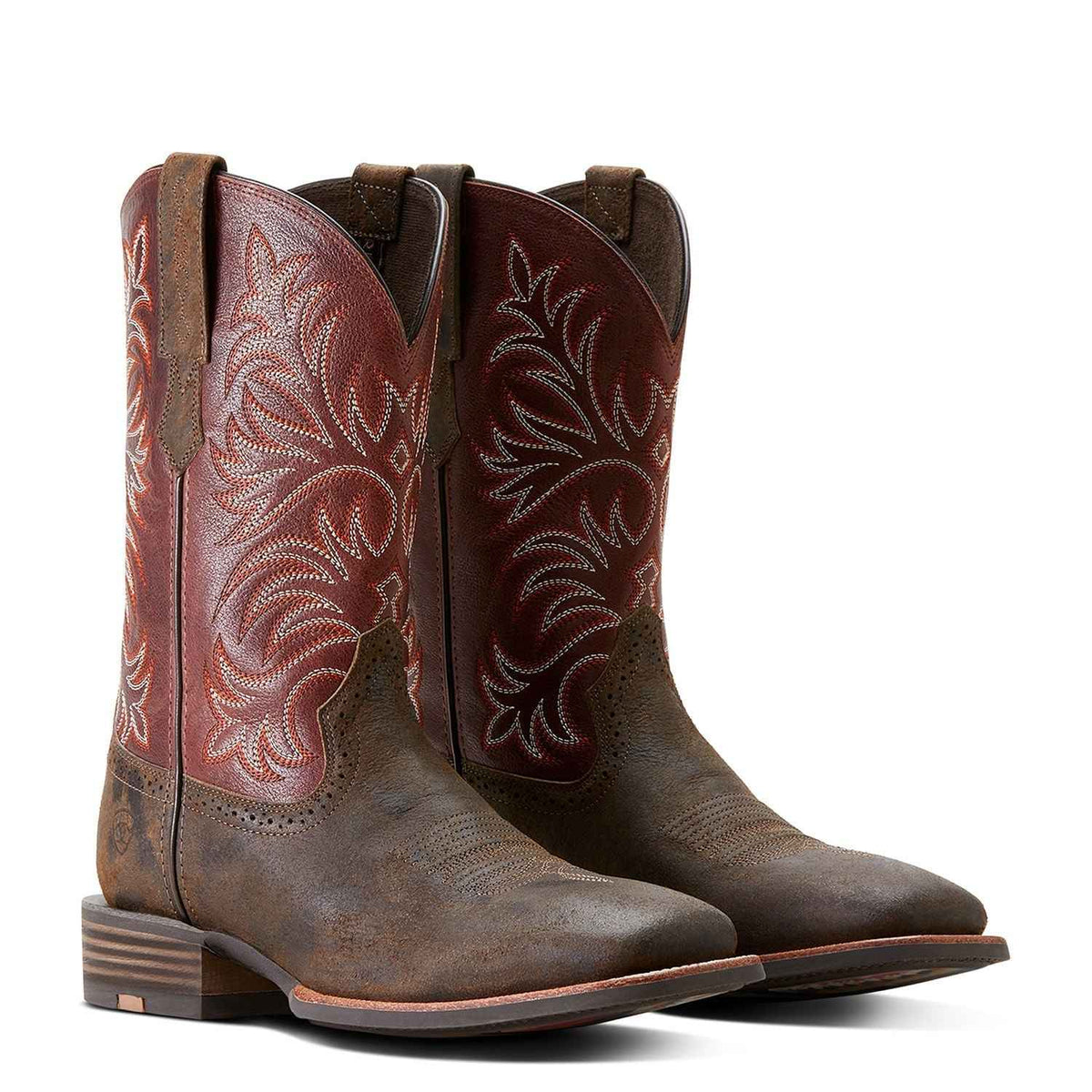
If you spend hours on your feet, the best cowboy boots for standing all day are not necessarily the pair with the biggest heel, the toughest-looking toe, or the most traditional leather sole. The better choice is the boot that fits your foot correctly, stays stable under you, matches the surface you stand on, and gives you enough room to move naturally without sliding around inside the boot.
That matters whether your long day means a warehouse or retail floor, a ranch, a trade show, a concert, a weekend event, or simply a Texas schedule that starts early and ends late. Western boots can absolutely be part of an all-day wardrobe, but buying them for long wear requires a slightly different checklist than buying a pair mainly for looks.
This guide breaks down the fit, outsole, heel, toe shape, and use-case details that matter most. If you are still learning the basics, start with our first cowboy boot buying guide, then use this article to narrow your choice for longer days on your feet.
What Makes a Cowboy Boot Better for Standing All Day?
There is no single cowboy-boot feature that guarantees comfort for every man. Instead, think of long-day wear as a system. The boot has to work with your foot, your socks, your walking pattern, your jeans, and the surface under you.
For most buyers, the biggest priorities are:
- Correct fit through the instep and heel. A boot that is too loose can create excess movement, while one that is too tight can become distracting quickly. Our guide to how cowboy boots should fit explains the key checkpoints.
- An outsole suited to the surface. A hard traditional sole and a more practical rubber outsole can feel very different over a long day. Compare the tradeoffs in leather sole vs. rubber sole cowboy boots.
- A stable heel. Heel height and shape affect how planted the boot feels. Our stockman heel vs. cowboy heel guide goes deeper into that decision.
- A toe shape that actually fits your foot. A wide-looking toe does not automatically equal a better fit, and a round toe is not automatically cramped. Shape matters, but the last and your foot matter more. See square toe vs. round toe cowboy boots for the full comparison.
- A realistic break-in plan. Do not make the first eight-hour day the first time you wear a new pair. Our cowboy boot break-in guide explains how to ease into a new pair without trying to force the process.
Quick Buying Checklist for All-Day Western Boots
| Feature | What to Look For | Why It Matters |
|---|---|---|
| Fit | Secure instep, appropriate heel movement, enough toe room | Reduces unnecessary sliding and pressure from a poor fit |
| Outsole | Choose for the surface you actually use | Hard floors, dirt, wet surfaces, and dance floors demand different priorities |
| Heel | Stable shape and a height you are used to | A dramatic heel may look great but may not be your best long-shift choice |
| Toe | A shape that matches your foot and job needs | Appearance alone does not determine usable toe room |
| Footbed | Pay attention to the boot’s actual construction and removable-insole options | Underfoot feel varies widely from one model to another |
| Safety | Meet any required workplace standard first | Comfort never replaces required protective footwear |
Rubber vs. Leather Soles for Long Hours
If your day involves a lot of time on concrete, tile, pavement, or mixed indoor-outdoor surfaces, outsole choice deserves serious attention. Leather soles remain a classic part of Western footwear, especially when a traditional profile, easy pivoting, and dressier appearance are priorities. But a durable rubber outsole is often the more practical direction for men who expect long hours, repeated walking, or changing surfaces.
That does not mean every rubber-soled boot is automatically comfortable or every leather-soled boot is uncomfortable. Fit and construction still matter. The point is to match the sole to the job. A man standing behind a counter for ten hours has a different use case than a man wearing boots to dinner, a wedding, or a dance floor.
When shopping the Veloura men’s boots collection, look at the outsole information on the specific product page rather than assuming all cowboy boots are built the same way.
Heel Shape: Stability Usually Beats Drama for Long Days
Western heels are part of what gives cowboy boots their recognizable stance, but heel shape changes the feel of a boot. For all-day use, many men will prefer a heel that feels planted and familiar rather than choosing the tallest or most angled option simply because it looks more Western.
A stockman-style heel typically presents a broader, lower-profile platform than a more traditional cowboy heel. A cowboy heel can offer the classic riding-inspired silhouette many buyers want. Neither is universally “better.” The right answer depends on how much standing and walking you do, what you already wear comfortably, and how the specific boot is built.
If heel design is one of your biggest questions, use the Veloura heel comparison before buying.
Does a Square Toe Make Cowboy Boots More Comfortable?
Not automatically. This is one of the easiest shortcuts to get wrong when shopping Western boots online. A wide square toe can provide a broad-looking forefoot and may suit men who prefer that shape, but the actual fit still depends on the boot’s last, width, size, and your foot.
Likewise, a round-toe boot can fit comfortably when it is shaped correctly for you. Do not size up just to chase more toe space unless the manufacturer’s fit information supports that move. Oversizing can create other problems, including too much movement at the heel or instep.
The better question is: Does this toe shape give my foot the room it needs while the rest of the boot stays secure? That is why toe shape should be considered together with the Veloura size guide and the individual product details.
Two Live Veloura Boots to Compare for Long-Day Wear
Rather than talking only in theory, here are two live Ariat options currently in Veloura’s boot lineup that illustrate different parts of the buying decision.
Ariat Men’s Oakwood Western Boot
The Ariat Men’s Oakwood Western Boot is especially relevant to this search because the current product description says it is designed from the ground up for all-day comfort. It also lists a durable Duratread translucent outsole. That makes it a useful starting point for a buyer whose main question is whether a Western boot can fit into a long-wear rotation.

Still, the product description cannot tell you whether the boot matches your foot. Use the construction as a reason to consider it, then make the final decision based on fit and intended surface.
Ariat Men’s Sport Wide Square Toe Western Boot
The Ariat Men’s Sport Wide Square Toe Western Boot gives shoppers another direction. Its current listing combines a wide square-toe profile with a durable rubber outsole, making it a useful comparison for men who prefer a broader Western look and want a rubber-bottomed boot for regular wear.

These two boots should not be read as a universal first- and second-place ranking. They simply show how to compare real product details against the demands of a long day.
Best Cowboy Boots for Warehouse, Retail, Ranch, and Event Days
The phrase “standing all day” covers very different environments, so use your actual routine to decide what matters most.
Warehouse or industrial work
Start with your employer’s footwear rules. If the job requires safety toes, electrical-hazard protection, slip resistance, or another specific standard, that requirement comes first. A fashion Western boot is not a substitute for certified protective footwear. Our steel toe vs. regular cowboy boots guide can help you think through the distinction, but always follow the workplace requirement for your role.
Retail, trade shows, and customer-facing work
For long periods on hard indoor flooring, prioritize dependable fit, stable heel geometry, and an outsole appropriate for the floor. A clean brown or black boot can also move easily between work and after-hours outfits. If color flexibility matters, see our brown vs. black cowboy boots comparison.
Ranch and outdoor use
Outdoor wear adds dirt, uneven ground, and weather to the equation. Durability, outsole traction, and the exact work being performed become more important than styling alone. Again, required protective features should drive the purchase if the work calls for them.
Concerts, rodeos, weddings, and long event days
These are the days when men often choose a boot mainly for appearance and then discover they will be wearing it much longer than expected. If you know you will be walking from parking lots, standing through an event, and going out afterward, choose a pair you have already worn and tested rather than saving brand-new boots for the occasion.
How Cowboy Boots Should Fit Before You Wear Them All Day
A good long-day boot should feel secure without feeling like you are fighting it. Some initial heel movement can be normal in pull-on Western boots, but excessive sliding is not a feature you should ignore. The instep should help hold the foot in place, and your toes should not be forced into the front of the boot.
Fit also needs to be evaluated with the socks you actually plan to wear. Trying a boot with a completely different sock thickness can change how secure it feels.
Most importantly, do not count on “breaking in” a clearly wrong size. Leather can conform with wear, but break-in is not a replacement for correct sizing. Review how cowboy boots should fit, check the size guide, and build wear time gradually with our break-in tips.
What Jeans Work Best With All-Day Cowboy Boots?
If the boots are part of a full-day outfit, the jeans should work with them instead of bunching awkwardly around the shaft. Bootcut jeans remain the obvious Western option because the leg opening is designed to work over boots, but some straight-leg jeans can also work depending on the cut and boot shaft.
Use our guide to how jeans should fit over cowboy boots and the bootcut vs. straight-leg comparison before choosing your denim. You can also browse the Veloura men’s jeans collection to build the rest of the outfit.
For a more complete Texas-inspired wardrobe, the Modern Texas Men’s Style guide connects boots, denim, shirts, and accessories without turning every outfit into a costume.
How to Choose: A Simple Five-Step Test
- Define the longest real use case. Are you standing on concrete, walking outdoors, attending events, or doing physical work?
- Eliminate boots that fail workplace requirements. Safety comes before style.
- Choose a sole and heel for the surface. Do not buy based on the upper alone.
- Confirm fit before committing to a long day. Wear the right socks and evaluate instep, heel, and toe room together.
- Test gradually. A short evening, then a few hours, then a longer day is a smarter progression than wearing a new pair for a full shift immediately.
Frequently Asked Questions
Can cowboy boots be comfortable for standing all day?
They can be suitable for long wear when the fit, outsole, heel, and construction match the wearer and the environment. “Cowboy boot” describes a broad category, so comfort varies significantly by model.
Are rubber-soled cowboy boots better for concrete?
Rubber outsoles are often a practical choice for hard-floor and mixed-surface use because of their durability and surface-friendly characteristics, but the whole boot still needs to fit correctly. Compare both options in our sole guide.
Is a wide square toe best for standing all day?
Not universally. A wide square toe may appeal to men who prefer that shape, but comfort depends on the last, width, size, and individual foot. Choose the shape that fits you rather than assuming the widest-looking toe is automatically best.
What heel is best for long hours?
Many buyers prefer a stable, moderate heel for extended standing, but there is no single ideal heel for everyone. Your normal footwear, gait, surface, and specific boot construction all matter.
Should cowboy boots slip at the heel?
A small amount of heel movement can be normal in a new pull-on Western boot. Excessive movement, instability, or a foot that feels unsecured can point to a fit problem. The complete Veloura fit guide explains what to check.
Should I buy cowboy boots a size larger for all-day comfort?
Do not automatically size up. Extra length can create excess movement without solving the real fit issue. Follow the specific product sizing information and evaluate width, instep, heel, and toe room together.
Final Verdict: Buy for the Day You Actually Live
The best cowboy boots for standing all day are the pair that matches your real routine. Start with fit, then judge the outsole, heel, toe shape, workplace requirements, and expected surfaces. A boot that checks those boxes will usually be a smarter purchase than choosing only by color or silhouette.
If all-day wear is your priority, the live Ariat Oakwood Western Boot is worth comparing because its current listing specifically emphasizes all-day comfort and a durable Duratread outsole. The Ariat Sport Wide Square Toe Western Boot gives you a second live option built around a wide-square-toe look and durable rubber outsole.
Continue shopping through Men’s Boots, complete the outfit with Men’s Jeans, or browse Western Gear for the rest of your modern Western rotation.